

The MMO Isn’t Dead—It’s Just Wearing Better Armor
Massively Multiplayer Online games—or MMOs—have been declared dead more times than a level 12 warrior charging into a raid boss with no healer. And yet, somehow, these sprawling digital worlds keep thriving. Why MMOs still matter isn’t just about nostalgia—it’s about how they’ve evolved and why they continue to dominate a corner of gaming that no other genre quite touches.
What Defines an MMO Today?
Let’s be real: “MMO” used to mean one thing—World of Warcraft. But the genre has grown, morphed, and hybridized. Whether it’s classic tab-targeting in WoW, action combat in Black Desert Online, or cozy social vibes in Final Fantasy XIV, modern MMOs share a few core pillars:
- Persistent, shared online worlds
- Deep progression systems (leveling, gear, skills)
- Large-scale social mechanics (guilds, raids, parties)
- Complex economies and crafting systems
- The ability to lose 300 hours and still feel undergeared
It’s not just a game. It’s a second life with dragons.
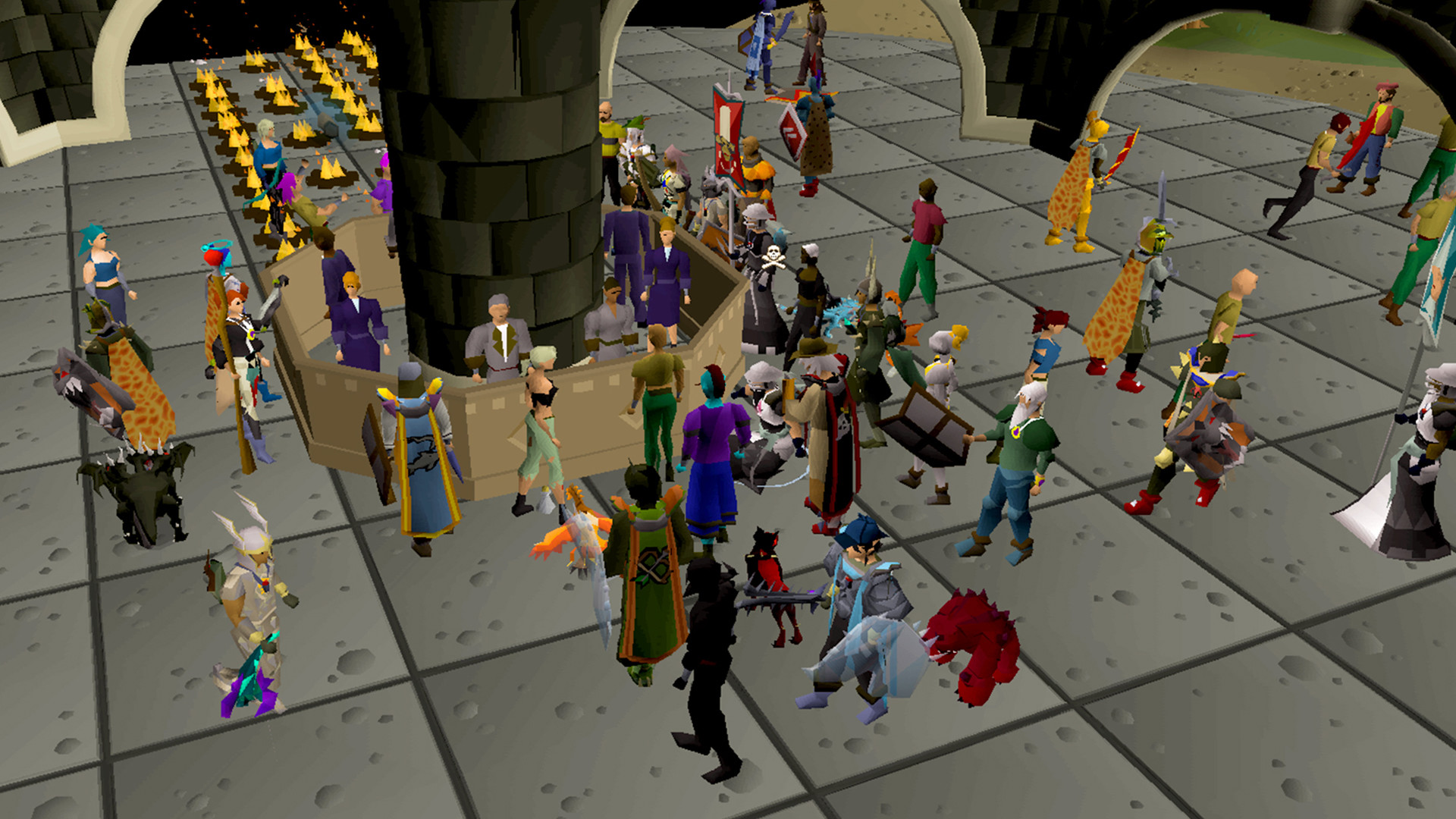
The Power of Shared Worlds and Collective Progress
So why do MMOs still matter? Because they’re one of the few places in gaming where your achievements feel like they happened with people, not just next to them.
MMOs give us moments that wouldn’t exist without other players. Remember your first successful raid? That epic 6-hour dungeon crawl with strangers who became friends? That in-game wedding (you know who you are)? These shared experiences are digital memories—and they matter.
Games that create collective progression—like world bosses, server-wide events, or faction warfare—tap into something primal. We want to feel like we’re part of something bigger. MMOs deliver that fantasy better than anything else in gaming.
Social Bonds That Outlive the Game
Many players stick with an MMO not because of the gameplay, but because of the people. Guilds become friend groups. Raids become weekly rituals. The tank who saved your run three years ago might be someone you still chat with on Discord.
For some players, MMOs become an important part of their social lives. Guilds, Discord communities and regular group activities can turn people who initially met through a game into long-term friends.
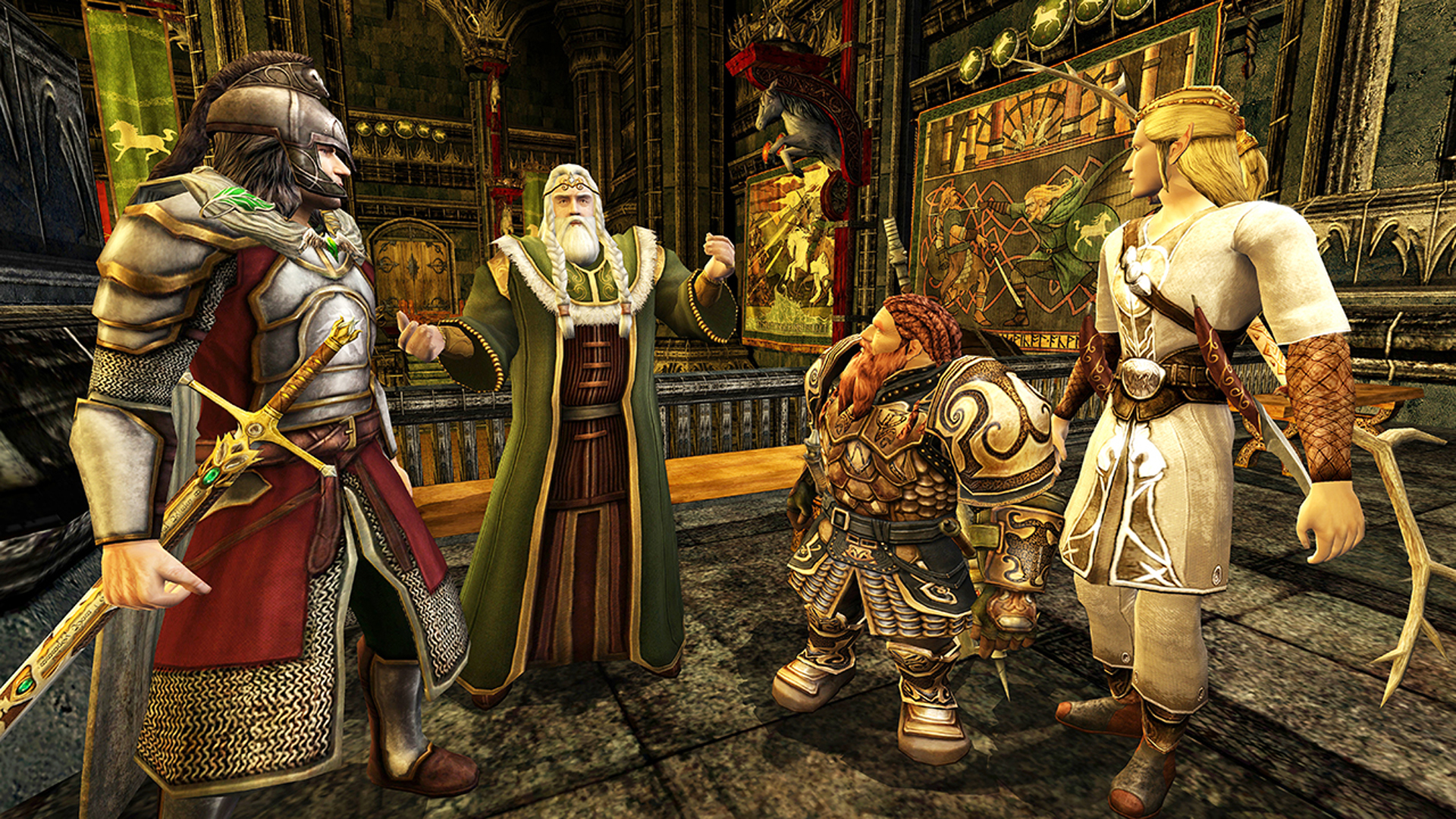
Progression That Feels Personal
MMOs know how to make you care about growth. Whether it’s slowly grinding your crafting skills, climbing PvP ranks, or optimizing your DPS loadout, the progression system in an MMO is practically a psychology experiment.
They give you just enough reward to keep you going, but never quite enough to feel done. You’re always chasing something—better gear, a rare mount, a legendary title. And when you finally get it? You flex in town for a week straight.
This loop is deeply satisfying because it mirrors real-life goals: slow, steady progress, with visible payoff. But unlike real life, you don’t have to pay taxes or wait in line at the DMV between milestones.
Why MMO Storytelling Hits Differently
While many games deliver narrative through cutscenes and linear missions, MMOs give you stories that happen around you. It’s emergent storytelling.
Yes, there’s lore and quests, but the best stories are the ones you live: the time your raid wiped at 1% HP. The drama of guild politics. The betrayal when someone ninja-looted that epic bow. These stories are player-generated, and they’re more memorable because you were part of them.
Plus, some MMOs—looking at you, Final Fantasy XIV—manage to deliver emotionally powerful, long-form storytelling that rivals single-player RPGs. And then you still get to go fishing afterward. It’s the best of both worlds.

Economy, Crafting, and Capitalism—Oh My
Few genres replicate real-world economic systems like MMOs. Player-driven auction houses, crafting materials, inflation, even virtual monopolies—it’s like Wall Street with dragons.
This complexity adds another layer of immersion. You’re not just a hero saving the world. You’re also a skilled blacksmith, an herbalist, or that guy who cornered the market on mithril ore last weekend.
MMOs simulate entire societies. And just like in the real world, some players just want to get rich and vibe in town while everyone else is fighting gods.
The Endgame Is the Real Game
Ask any long-time MMO player: the game doesn’t really start until the end. Raids, PvP battlegrounds, world bosses, ultra-difficult dungeons—this is where the real challenge (and the real rewards) live.
The endgame is where skill expression, teamwork, and strategy intersect. And it’s also where some of the most intense social bonding happens. Wiping over and over with a team and finally clearing the hardest boss? That’s basically group therapy, but with more fireballs.

Why MMOs Still Matter in 2026 and Beyond
MMOs have changed enormously, but the core appeal has survived: persistent worlds, long-term progression and communities that exist whether you log in every day or disappear for six months.
The genre also isn’t relying purely on nostalgia. Some of its biggest games are still receiving substantial new content years — or even decades — after launch.
World of Warcraft entered a new chapter with Midnight in March 2026, adding new zones, raids, dungeons and player housing. Final Fantasy XIV has continued receiving major Dawntrail updates throughout 2026, while Guild Wars 2 is still expanding its world more than a decade after release. That doesn’t mean every MMO succeeds. Building and maintaining a persistent online world is expensive, and the genre has seen plenty of projects close or disappear before finding a long-term audience.
But the MMOs that do survive can achieve something unusual in gaming: they become places players return to for years.
You might leave because another game grabs your attention, your guild takes a break or real life gets busy. Then an expansion launches, an old friend messages you or you suddenly remember a mount you never managed to obtain — and somehow you’re downloading the game again.
MMOs Are More Than Their Content
The strongest MMOs are not simply collections of quests, raids and gear.
They are persistent communities.
The dungeon you ran ten years ago probably doesn’t matter because of the loot that dropped. You remember it because of the people who were there, the disastrous wipe, the player who saved the group or the friend you ended up playing with for years afterwards.
That is something MMOs are uniquely good at creating.
Single-player games can deliver incredible stories, competitive games can create unforgettable matches and co-op games can bring friends together, but an MMO combines those experiences inside a world designed to keep existing long after one particular adventure is over.
Final Thoughts
MMOs have survived countless predictions of their death because there still isn’t another genre that offers quite the same combination of progression, community and persistence.
They let players build characters over years rather than hours. They create economies, guilds, rivalries and traditions that exist largely because players choose to participate in them. The technology changes. The combat changes. The graphics improve and the definition of an MMO continues to blur.
But the fundamental appeal remains surprisingly familiar. You log into a world full of other people, pick something to work towards and gradually create your own history there.
And sometimes, even after years away, logging back in can still feel a little bit like coming home.