
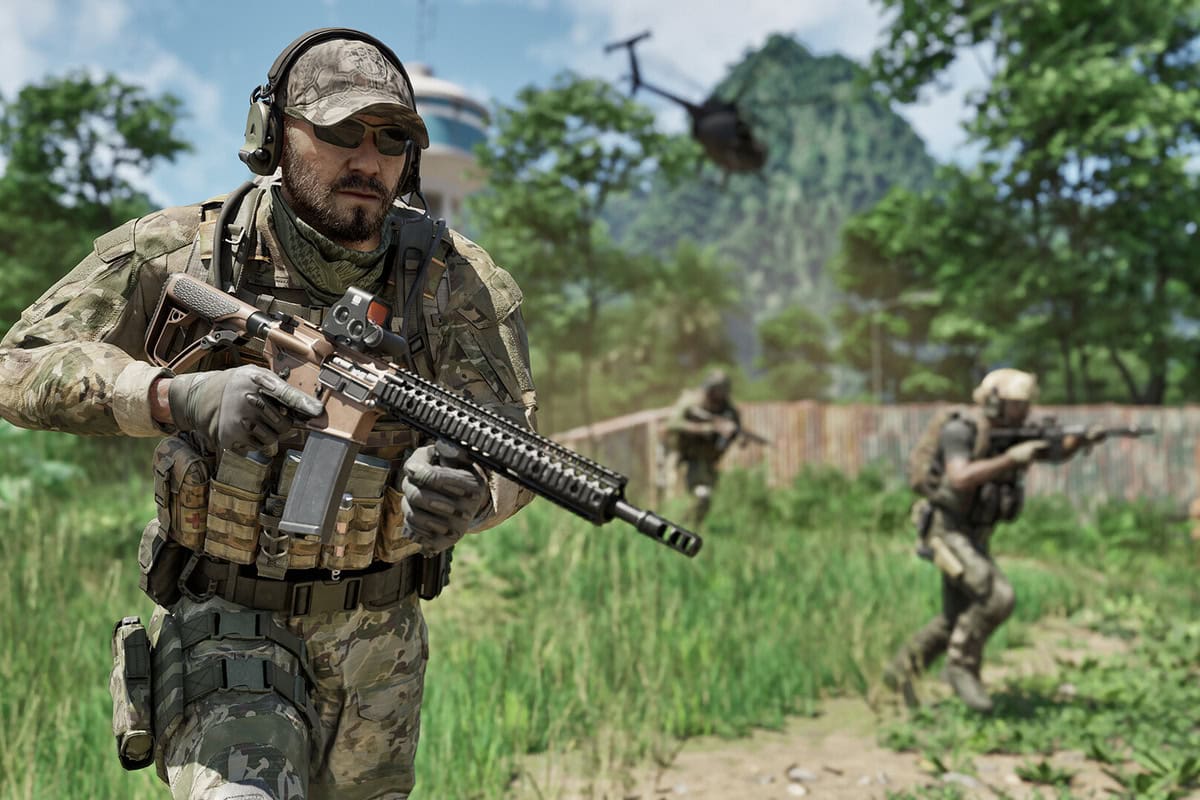
Welcome to the World of Extraction Shooters
You’ve spent an hour sneaking through overgrown factories, dodging AI guards and real players, your backpack full of loot that could make your next five raids easier. You see the extraction point ahead. You sprint. Gunshots ring out. You die. Everything you carried? Gone.
Welcome to extraction shooters—where every bullet fired might cost you gear, progress, and a little piece of your sanity.
Extraction shooters are the latest evolution in FPS gaming: a genre mashup of survival mechanics, looter-shooter cravings, and adrenaline-pumping decision-making. They blend the tension of PvPvE encounters with a persistent economy, where victory isn’t about kill counts, but getting out alive.
Let’s break down why these games are blowing up, why they make us sweat, and why they might just be the future of tactical shooters.
What Exactly Is an Extraction Shooter?
At its core, an extraction shooter drops players into a map full of loot, enemies (both AI and human), and one simple goal: survive and escape.
Here’s the basic gameplay loop:
- Load into a map with gear (or nothing).
- Scavenge for loot, fight enemies, complete tasks.
- Reach an extraction point and get out alive.
- Keep whatever you extracted. Lose whatever you didn’t.
It’s a brutal, high-risk system. You bring in your best gun? Lose the fight, and it’s gone. But get out with that rare loot? You’re richer, stronger, and better equipped for the next run.
Unlike traditional battle royales, where you’re generally starting from scratch every match, extraction shooters give you something to build towards. Every successful raid adds to your collection of weapons, equipment and valuable loot, making the next trip into hostile territory slightly less terrifying. It’s a similar appeal to what we’ve explored in why MMOs still matter, where the constant pursuit of better gear, higher levels and rare items can keep players occupied for hundreds of hours. The difference is that extraction shooters are quite happy to take your hard-earned equipment away if you make one stupid decision. That combination of progression and genuine risk is what makes the genre so difficult to put down.
The Rise of the Genre: From Tarkov to DMZ
Extraction shooters didn’t appear out of nowhere—they evolved.
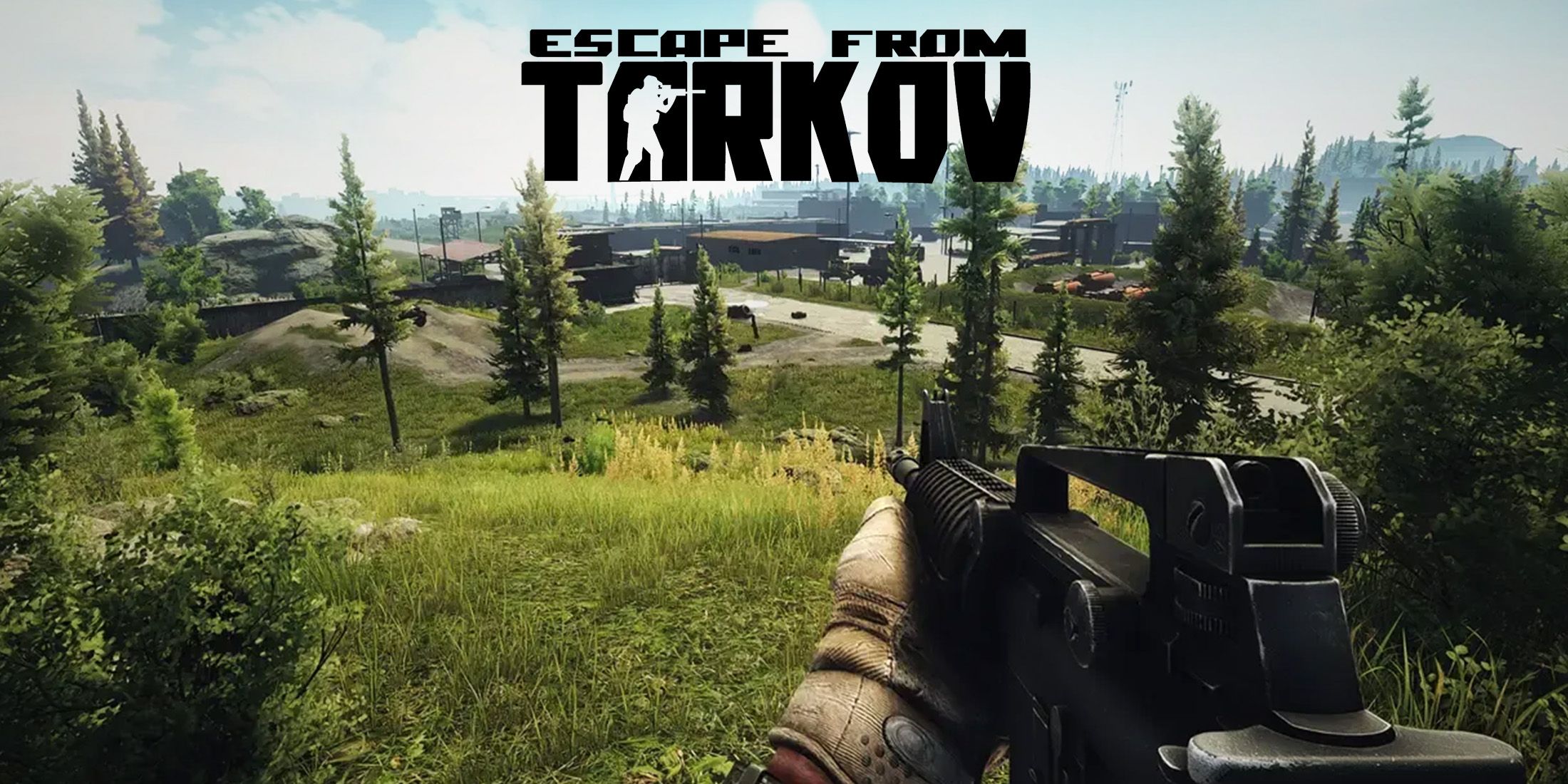
Escape from Tarkov is the genre’s dark, gritty godfather. Developed by Battlestate Games, Tarkov introduced players to an unforgiving Russian warzone where even stepping on broken glass could get you killed. Its hardcore mechanics—realistic ballistics, complex healing, detailed inventory management—set the bar for intensity and immersion.
Then came Hunt: Showdown, Crytek’s PvPvE horror-western hybrid. It brought unique twists: bounty hunting, monster slaying, and a blend of stealth and action. It proved extraction didn’t need realism to be compelling—it needed tension.
More recently, Warzone’s DMZ mode and The Cycle: Frontier brought the formula to more mainstream audiences, softening some edges without removing the genre’s core thrill. And with big studios taking notes, you can bet more AAA titles will dip into extraction mechanics soon.
What Makes Extraction Shooters So Compelling?
1. Real Stakes, Real Emotion
Losing loot in these games hurts—and that’s the point. Victory feels meaningful because failure carries weight. That constant sense of risk keeps adrenaline high and decision-making sharp.
2. Dynamic PvPvE Tension
The mix of AI threats and unpredictable human players makes every raid unique. Just when you think you’ve cleared an area, a silent team crouch-walks up behind you. It’s never “just bots” or “just PvP”—it’s both, and it’s terrifying.
3. Persistent Progression
Unlike battle royales, where every match resets your loadout, extraction shooters let you build an arsenal, stash loot, and grow stronger over time. That sense of long-term investment scratches the RPG itch inside every looter.
4. Emergent Storytelling
You don’t need cutscenes when every match is its own unscripted thriller. From daring escapes to heartbreaking ambushes, extraction shooters create organic “Did you see that?!” moments better than most cinematic campaigns.
Gear Fear: The Dark Heart of Extraction
A unique phenomenon in this genre is gear fear—the hesitation to bring your best equipment into a match because you might lose it. Players end up hoarding top-tier items, running matches with junk, and ironically underpowering themselves due to fear of loss.
It’s hilarious and tragic. You’re geared up like Rambo in your stash but enter the raid dressed like a mall cop with a pistol. Just in case.
Some players see gear fear as an unnecessary frustration, while others argue it’s one of the mechanics that makes extraction shooters so compelling. After all, a rare weapon isn’t particularly exciting if losing it means absolutely nothing. The value players attach to these items creates an interesting economy of its own, something we’ve explored in greater detail in our feature on how virtual economies mirror real-world financial systems. Players start weighing up the cost of equipment, the potential rewards of a raid and whether risking their best loadout is actually worth it. Before you know it, you’re spending twenty minutes staring at your inventory, trying to justify taking a decent rifle into battle. You’ve practically become your own insurance company, except there’s nobody to pay out when everything goes horribly wrong.
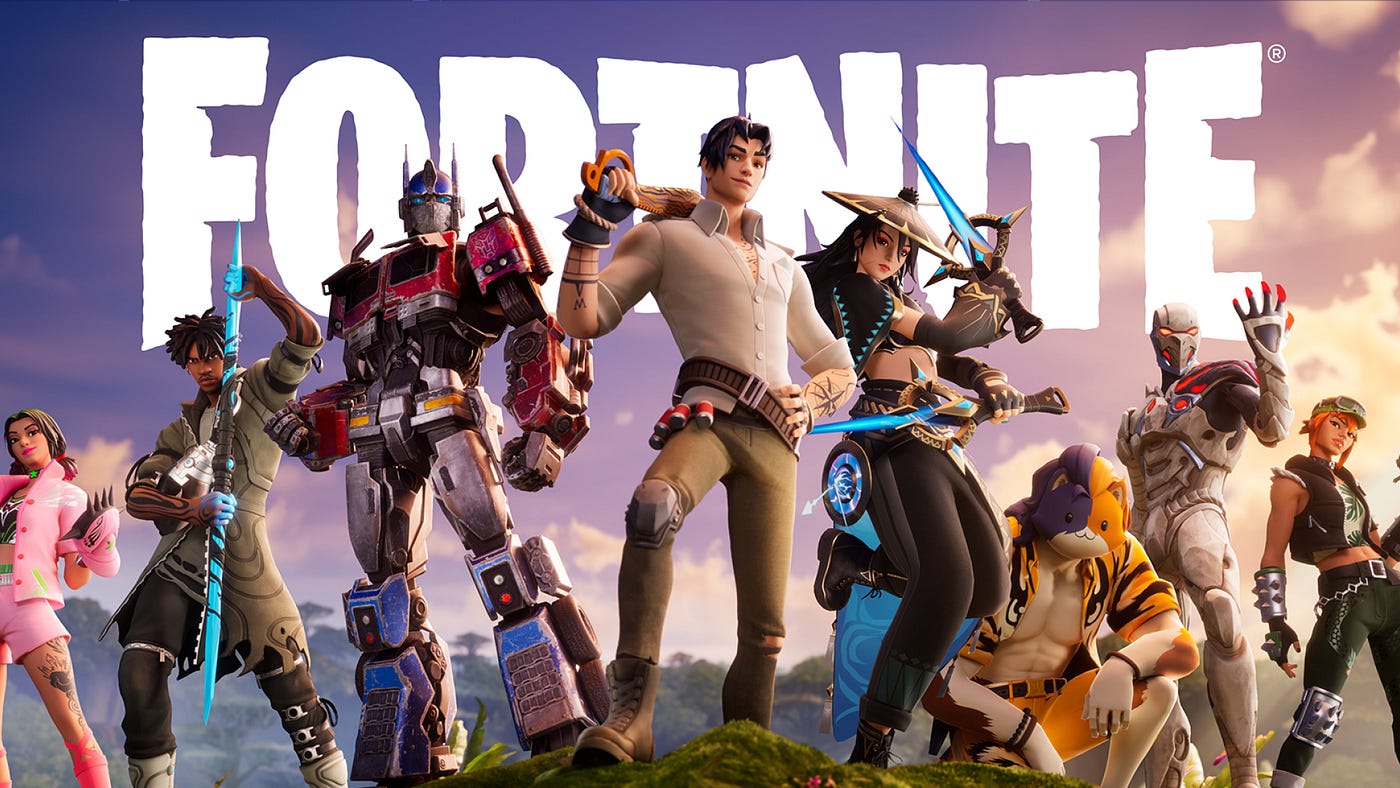
Extraction Shooters vs. Battle Royales: What’s the Difference?
Though they share high-stakes environments and large maps, extraction shooters are fundamentally different from battle royales:
- Objective: In BRs, the last one standing wins. In extraction games, survival and loot extraction are the goals. You don’t need to kill anyone—you just need to get out.
- Persistence: Extraction games have a lasting inventory. What you bring in (and get out) affects future games. BRs reset every match.
- Pacing: Battle royales thrive on action and shrinking zones. Extraction shooters are slower, more methodical, often stealth-driven.
- Victory Conditions: Winning a BR is binary. Winning in extraction is contextual—you could extract early with amazing loot or late with nothing.
It’s a shift from spectacle to strategy.
The Sound of Survival: Audio as a Weapon
One of the most important aspects of extraction shooters is their sound design. Footsteps, gunfire, opening doors and even the sound of someone moving through vegetation can reveal an enemy’s position before you’ve actually seen them. Games like Hunt: Showdown take this idea particularly seriously, with sound traps such as startled crows capable of announcing your presence to nearby players. It’s a design philosophy that tactical shooters have been exploring for decades. Our retrospective on SOCOM 2: U.S. Navy SEALs looks at how communication, positioning and listening carefully could make the difference between winning and losing. Extraction shooters take those familiar principles and raise the stakes considerably. When you’re carrying an inventory full of valuable equipment, a suspicious footstep suddenly becomes a very good reason to stop moving and shut up.
Community, Culture, and Content Creation
Extraction shooters have cultivated a unique player culture. Forums are full of tense raid stories, memes about gear fear, and guides written like military field manuals.
For content creators, they’re gold mines. The genre’s unpredictability and dramatic tension make for viral highlights, streamer reactions, and entire YouTube careers. Every raid is a potential episode.
Games like Tarkov even have built-in streamer integration, showing just how entwined these titles are with the creator ecosystem.
Challenges Facing the Genre
As exciting as extraction shooters are, they’re not without issues:
- Learning Curve: These games are complex, unforgiving, and rarely noob-friendly. That’s a barrier to entry.
- Inventory Bloat: Managing gear can feel more like accounting than gaming after a while.
- Cheaters & Exploits: With valuable loot on the line, the temptation to cheat is high—and the community doesn’t forgive easily.
- Balance: Making high-tier players feel powerful without making new players feel helpless is a delicate act.
- Progression Fatigue: Stash resets (like Tarkov’s periodic wipes) are divisive—some love the fresh start, others hate losing everything.
The Future of Extraction Shooters
As the genre grows, we’re seeing innovations:
- Narrative Layers: Quests and lore integration in Tarkov and The Cycle are adding long-term goals.
- Modular Loadouts: Players can customize gear down to ridiculous detail, from ammo types to scope elevation.
- Casual Modes: Some titles are experimenting with less punishing experiences to ease in new players.
- Co-op Focus: Team extraction adds a whole new level of drama, strategy, and betrayal potential.
Extraction shooters have come a long way from their relatively niche beginnings, and major developers are now putting serious resources behind the genre. Embark Studios launched ARC Raiders in October 2025, bringing a third-person perspective and mechanical enemies into the mix, while Bungie released Marathon in March 2026 with its own science-fiction take on competitive extraction gameplay. But attracting players at launch is only half the battle. As we discussed in our article on whether the live-service gaming bubble has burst, keeping an online community interested over the long term is becoming increasingly difficult. Extraction shooters face the additional challenge of balancing hardcore players who want punishing mechanics against newcomers who don’t particularly fancy losing everything after five minutes. The genre certainly has potential, but not every developer chasing the next Escape from Tarkov is going to find an audience willing to stick around.

Final Thoughts
Extraction shooters aren’t for the faint of heart. They punish mistakes, reward patience, and turn every match into a psychological test. But for those who embrace the stress, the payoff is one of the most immersive and satisfying experiences in modern gaming.
They’re not just games. They’re survival stories you write yourself, one raid at a time.
So whether you’re sneaking through a moonlit swamp in Hunt: Showdown, scavenging a Soviet warehouse in Tarkov, or experimenting with extraction in a big-budget sandbox like DMZ, one thing’s for sure—there’s no thrill quite like surviving with your loot and limbs intact.
Just… maybe leave the rare gear at home, yeah?