
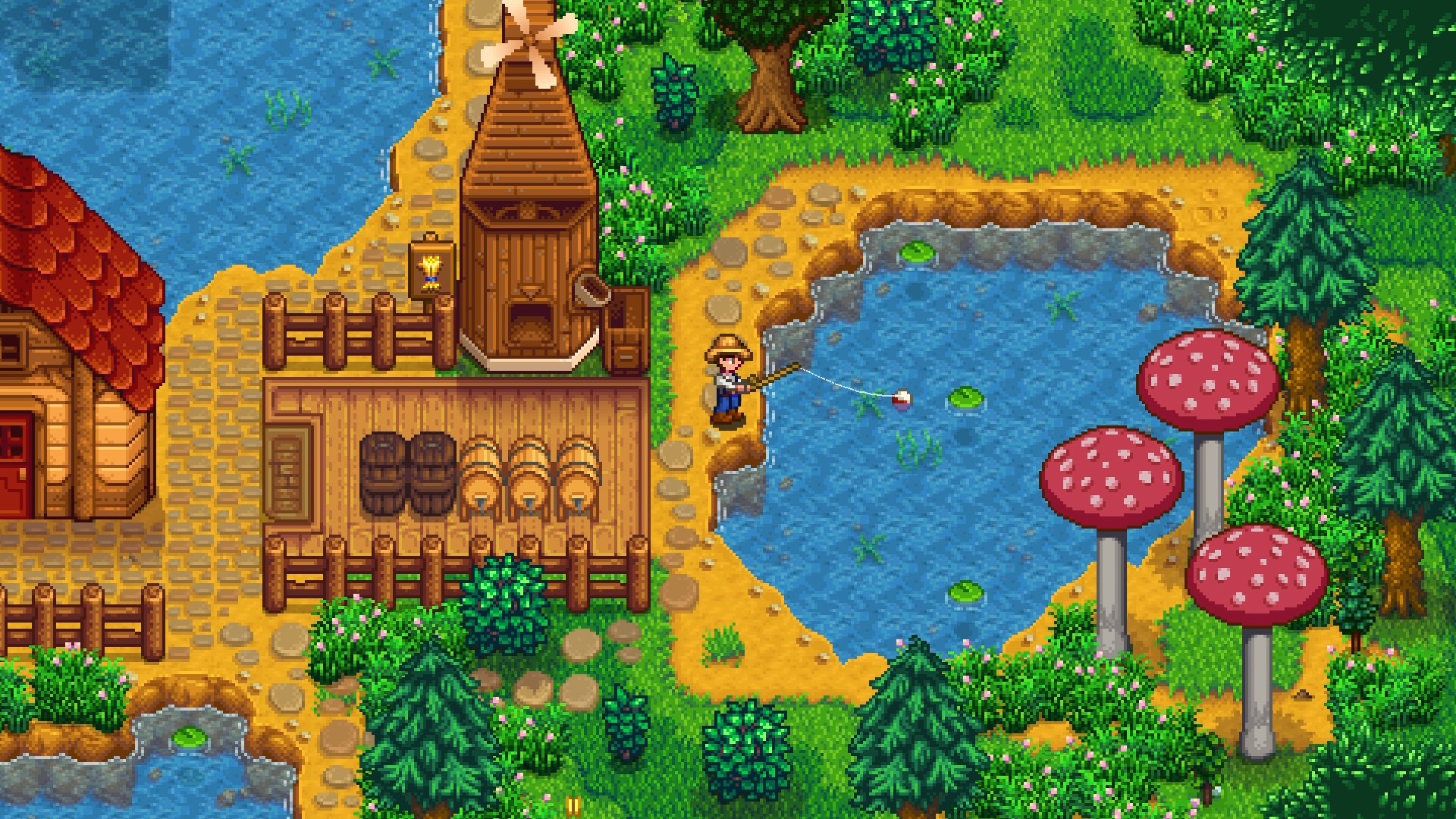
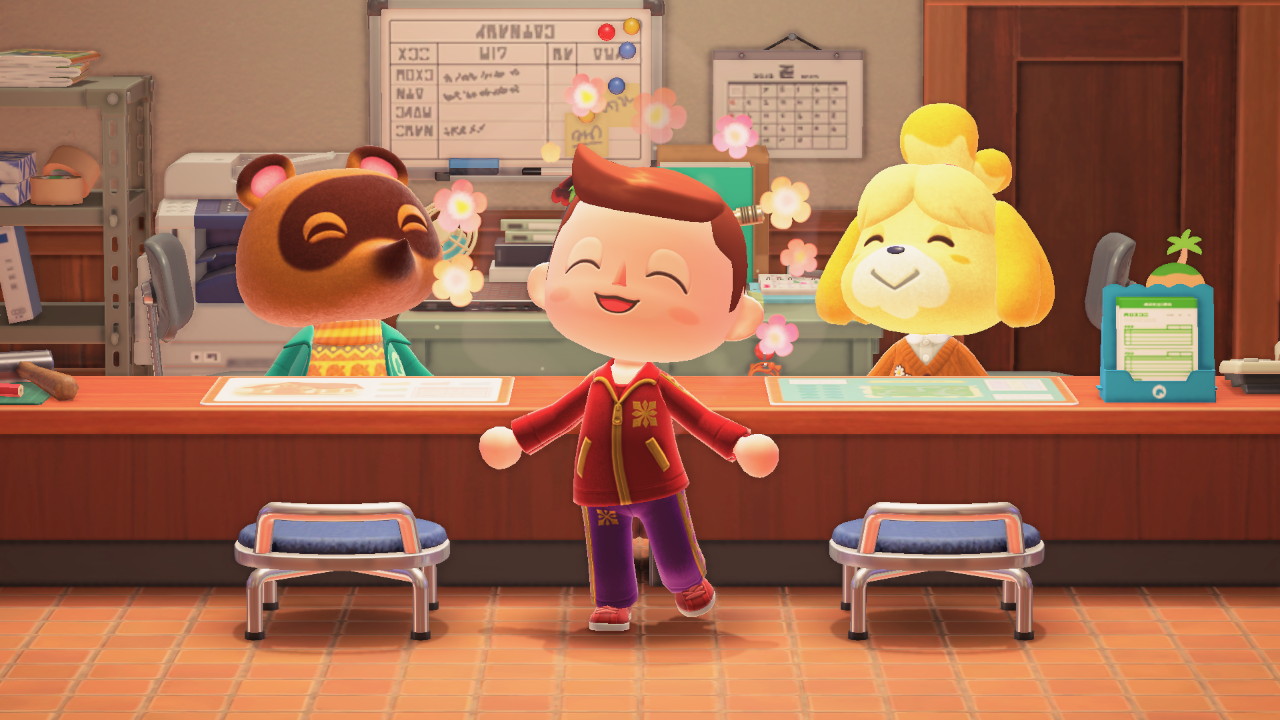
Not every gaming session needs to end with a victory screen, a ranked promotion or somebody shouting down a headset. Sometimes, spending an evening watering crops in Stardew Valley or rearranging furniture in Animal Crossing is considerably more appealing.
That’s the attraction of cosy games. They offer the satisfaction of making progress without always demanding lightning-fast reflexes or constant competition. A little more freedom, a little less pressure, and the chance to spend time in a world that feels welcoming rather than hostile.
But there’s something interesting about their popularity. Plenty of cosy games still involve work, planning and occasionally frustrating mechanics. Stardew Valley has deadlines and limited energy, while Unpacking turns organising somebody else’s belongings into a series of increasingly clever puzzles. Neither game is completely effortless.
So why do these experiences feel so comforting? And how did farming simulators, life sims and gentle narrative adventures become such an important part of modern gaming?
The answer isn’t simply that players have grown tired of shooting things. It’s that the gaming industry is recognising something it probably should have understood all along: different players find satisfaction in very different ways.
Cozy games didn’t start on Switch — discover the PS1 classic that led the way.
What Are Cozy Games, Exactly?
There’s no strict definition for “cozy games,” but players and developers alike generally agree on a few key traits:
- Low-stress gameplay with minimal failure states or time pressure
- Emphasis on creativity, self-expression, or routine (like farming or decorating)
- Uplifting or calming aesthetics—soft music, vibrant art, wholesome characters
- Emotional narratives or subtle storytelling centered on connection, healing, or introspection
Think Stardew Valley’s daily farming loop or Animal Crossing’s infinite interior decoration. Think Unpacking’s wordless narrative told through moving boxes. These games reward players not with loot or kill counts, but with peace, progress, and personal stories.
It’s gaming as meditation—and millions of people are loving it.
The COVID Effect and the Great Cozy Boom
While cozy games existed long before 2020, the pandemic accelerated their rise dramatically. With people locked down and dealing with stress, uncertainty, and isolation, games like Animal Crossing: New Horizons and Spiritfarer became lifelines.
Nintendo’s Animal Crossing launched at the perfect moment: March 2020, just as global quarantines began. It sold over 40 million copies, making it the second best-selling Switch game of all time. Its community-driven playstyle, real-time clock, and soothing visuals provided a much-needed escape.
It wasn’t just Animal Crossing. Indie titles like Unpacking, A Short Hike, Dorf Romantik, and Lake found devoted audiences, with players drawn to their peaceful mechanics and emotionally rich settings.
Suddenly, developers realized that people didn’t just want to win. They wanted to feel. Cozy games filled that emotional void.
Cosy Games Have Become Big Business
It would be easy to dismiss cosy games as a passing indie trend, but the sales figures suggest otherwise.
Nintendo’s Animal Crossing: New Horizons passed 50 million copies sold by June 2026, making it the second-best-selling original Switch game behind Mario Kart 8 Deluxe. That’s a remarkable achievement for a game built around decorating an island, catching fish and paying off a mortgage to a suspiciously cheerful raccoon.
You can see the same appetite for slower-paced games in Stardew Valley. Originally developed by Eric Barone, better known as ConcernedApe, the farming RPG had sold more than 41 million copies worldwide by December 2024. Its success helped demonstrate how much players valued a game built around personal routines, relationships and long-term progression.
Source: Nintendo’s official software sales
Source: Stardew Valley’s official press information
Larger publishers have noticed, too. Disney Dreamlight Valley brought familiar Disney characters into a life-simulation format, combining quests, decorating and friendship-building with ongoing content updates. Interestingly, Gameloft abandoned its original plan to make the game free-to-play, choosing to retain a paid model after early access.
That distinction matters. Cosy gaming isn’t one business model or one type of experience. Some titles are small, self-contained indie games. Others have ongoing updates, expansions and additional purchases.
What connects them is the appeal of building something at your own pace, whether that’s a farm, a home or a little community of imaginary neighbours.

Even giants like EA, Square Enix, and Netflix are investing in cozy content. The genre’s mainstream breakthrough is no accident—it’s a reflection of demand. Gamers are telling the industry that they want more joy, more control, and less chaos.
Why Gamers Are Craving Comfort
So why now? Why are so many people gravitating toward games that replace violence with vegetables?
Here are five key reasons:
1. Burnout from High-Intensity Gaming
After years of live service grinds, skill-based matchmaking, battle royales, and punishing mechanics, many players are exhausted. Cozy games offer relief. They’re slow-paced, welcoming, and non-competitive.
2. Mental Health & Gaming as Self-Care
There is some research suggesting video games can help people manage stress, although the relationship is more complicated than simply saying cosy games are good for mental health. A 2021 systematic review covering 28 studies found evidence of stress and anxiety reductions associated with commercial video games, including casual titles and other genres. That doesn’t make gaming a substitute for professional support, but it does help explain why an enjoyable, manageable activity can be a welcome way to unwind. Sometimes tending a virtual garden is simply a pleasant escape from everything else demanding your attention.
3. Nostalgia and the Need for Control
Cozy games often simulate idealized versions of childhood or rural life: small communities, gentle routines, and total control over your space. In a chaotic world, that kind of virtual control is incredibly satisfying.
4. Expanding Player Demographics
Part of the appeal is that cosy games can be enjoyed for very different reasons. Some players love decorating and customisation, others enjoy collecting, exploration or building relationships with characters. And plenty of people who spend one evening playing competitive shooters are perfectly happy spending the next fishing in Animal Crossing. Cosy gaming doesn’t belong to one particular demographic or type of player.
5. Creativity and Ownership
Whether it’s designing a perfect kitchen in Unpacking or creating a pixel-perfect farm in Stardew Valley, cozy games reward personal expression. You play your way, with your style, and that empowerment is magnetic.
Breaking Down the Myth: Cozy ≠ Casual
It’s a common misconception that cozy games are simple or shallow. In reality, many cozy titles feature:
- Deep crafting and progression systems
- Emotional, nuanced narratives (Spiritfarer, Coffee Talk, Venba)
- Complex social mechanics and relationship building
- Exploration of grief, identity, and cultural themes
Spiritfarer, for example, gently introduces players to the idea of death and letting go, using gameplay as metaphor. It’s not just cute—it’s soulful.
Similarly, Unpacking tells a poignant, entirely non-verbal story about growing up, heartbreak, and healing—through nothing more than where you place items in a room. It’s minimalist storytelling at its finest.

When Cosy Games Stop Feeling Cosy
There’s one slight contradiction at the heart of cosy gaming: some of these supposedly relaxing experiences can become surprisingly stressful.
Take Stardew Valley. Its daily energy system, seasonal crops and limited opening hours can encourage players to squeeze as much as possible into every in-game day. Before long, what started as a pleasant afternoon of farming can turn into a carefully planned operation involving spreadsheets and an alarming number of sprinklers.
Animal Crossing has its own version of this problem. Because it follows a real-world clock, certain activities depend on when you’re available to play. That’s a lovely idea when you’ve got plenty of free time, but not always convenient when life gets in the way.
And then there’s the sheer number of games offering the same familiar combination of farming, fishing, crafting and befriending villagers. Those activities can be brilliant, but simply adding them to a game doesn’t automatically make it interesting.
The best cosy games understand that relaxing doesn’t have to mean repetitive. Unpacking makes organising household items interesting because the objects tell you something about the person who owns them. Spiritfarer uses everyday tasks and character relationships to tell a story about grief and saying goodbye.
That’s what separates a genuinely memorable experience from another game about planting turnips.
A cosy atmosphere can get somebody interested, but thoughtful design is what makes them stay.
Cozy Games Are Shaping the Future of Game Design
The rise of cozy games has ripple effects far beyond their genre:
- More Accessibility: These games often include thoughtful UX, flexible controls, and customizable pace—making them welcoming to players of all abilities.
- Hybrid Genres: We’re seeing cozy horror (Grave Seasons), cozy roguelikes (Spirit Swap), and even cozy survival games (Among Trees).
- Narrative Depth: Developers are realizing you don’t need combat to tell a powerful story—you just need authenticity.
More importantly, the industry is starting to realize that comfort and fun are not mutually exclusive. Players don’t need to be punished to feel accomplished. They don’t need a boss fight to feel heroic.

Where Cosy Games Go Next
Expect mThe interesting thing about cosy gaming is how far it has already moved beyond traditional farming simulators.
Moonstone Island, released in 2023, combines creature collecting, farming and relationship-building with card-based battles and exploration. Mineko’s Night Market, also released in 2023, approaches the genre through crafting, storytelling and a wonderfully strange obsession with cats.
Garden Witch Life brought witchcraft and community-building into the mix in 2024, while Spirit Swap: Lofi Beats to Match-3 To arrived in 2025 with a combination of colourful match-three puzzles, relationships and relaxing music.
These games demonstrate how flexible the broader cosy label has become. It can describe almost anything from a gentle decorating simulator to a story-driven puzzle game, provided the experience offers the right atmosphere and sense of comfort.
But that flexibility also creates a problem. If almost every game with colourful artwork and a crafting system is described as cosy, the label starts losing its meaning.
I suspect the most interesting direction for the genre isn’t simply more farming simulators. It’s developers taking the design principles that make those games enjoyable — freedom, manageable progress, personal expression and meaningful relationships — and applying them to experiences we wouldn’t traditionally describe as cosy.
There’s still plenty of room for innovation. The challenge is doing more than giving players another field of virtual vegetables to water.
Comfort Is the New Frontier
The rise of cozy games isn’t a rejection of traditional gaming—it’s an evolution. In a time of global stress, digital overload, and an increasingly complex world, these games offer simplicity, healing, and a space to just be.
For many players, cozy games are no longer side dishes—they’re the main course. They’ve shown that you don’t need epic battles or exploding planets to make something meaningful.
And as more developers embrace the cozy philosophy, one thing is certain: the future of gaming is warmer, softer, and more welcoming than ever.