
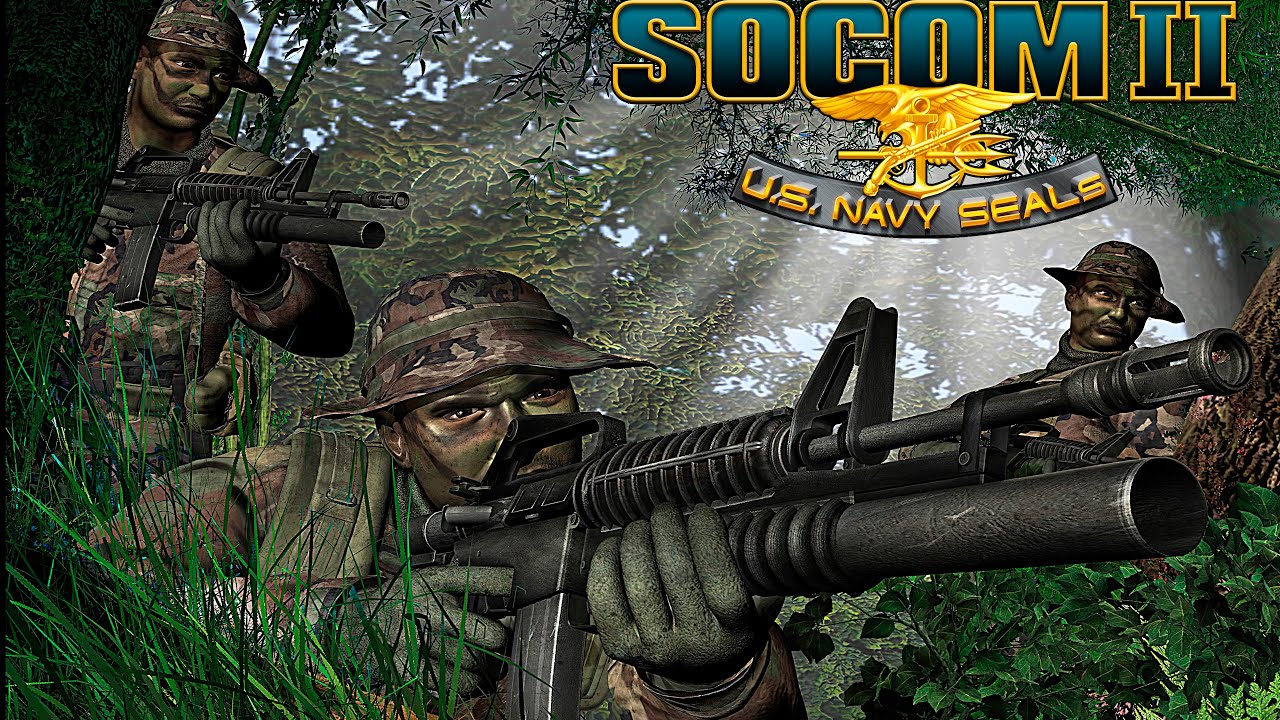
Why SOCOM 2 Still Haunts Our Lobbies (In The Best Possible Way)
SOCOM 2: U.S. Navy SEALs isn’t just a great PlayStation 2 shooter—it’s the moment console multiplayer discovered discipline. In an era of split-screen chaos and spray-and-pray bravado, Zipper Interactive dropped a third-person, headset-driven, no-respawn, objective-first experience that trained a generation of players to talk, plan, flank, and clutch. It wasn’t about killstreak fireworks or endless respawns; it was about eight players breathing through a USB mic while a squad leader whispered the map callouts and a sniper counted down in seconds, not shots. SOCOM 2 felt like a secret society you had to earn your way into. Two decades later, veterans still remember the cadence of its lobbies, the texture of its maps, the ritual of clan nights, and the delicious terror of a round where you were the last SEAL alive with the bomb timer at 0:12. The game’s reputation as the pinnacle of console tactical shooters doesn’t come from smoke and nostalgia; it comes from a design spine that modern titles keep borrowing, sanding down, and then—often—missing the point of. This is the story of how SOCOM 2 was forged, why it hit so hard, how it sold, and how a shut-off server light turned into a beacon for one of the most dedicated communities in gaming.

The Making Of A PlayStation Phenomenon
Zipper Interactive’s original SOCOM cracked the door in 2002, but SOCOM 2 kicked it wide open in 2003. Built for the burgeoning PS2 Network Adapter scene, the sequel doubled down on the headset-first philosophy and treated online play not as an add-on but as the main attraction. Zipper collaborated with military consultants to give the campaign its tone and the arsenal its bite. Voice comms were not a novelty—they were the instrument the entire score was written for. The studio tuned maps around clear callouts and distinct lanes, engineered timings that rewarded synchronized pushes, and gave defenders tools to anchor. Zipper also embraced live-service thinking before “live service” was The Term. Patches mattered. Balance mattered. Clan support wasn’t a marketing bullet—it was infrastructure. Friend lists, clan tags, ranked ladders, and structured lobbies made SOCOM 2 feel like a place rather than just a playlist. This was a PlayStation exclusive that understood PC-grade competitive culture and translated it to a controller without diluting the seriousness.
Launching in the early PS2 online wave gave SOCOM 2 a runway few competitors enjoyed. Broadband adoption was finally cresting into mainstream households, and the PS2’s massive install base meant the slice of players willing to buy a Network Adapter and a USB headset was still a huge crowd. SOCOM 2 landed with timing that felt almost mischievous: holidays, headsets in retail end-caps, friends dragging friends online “just to try it.” The lack of universal voice across PS2 made SOCOM 2’s integrated chat feel premium. The lack of cross-game lobbies made its sticky ecosystem feel like a neighborhood. And the lack of genre clutter made its tactical identity stand out. Word-of-mouth was rocket fuel; once you’d experienced a clean 8v8 with callouts, crossfires, and a last-man clutch, everything else felt messy.
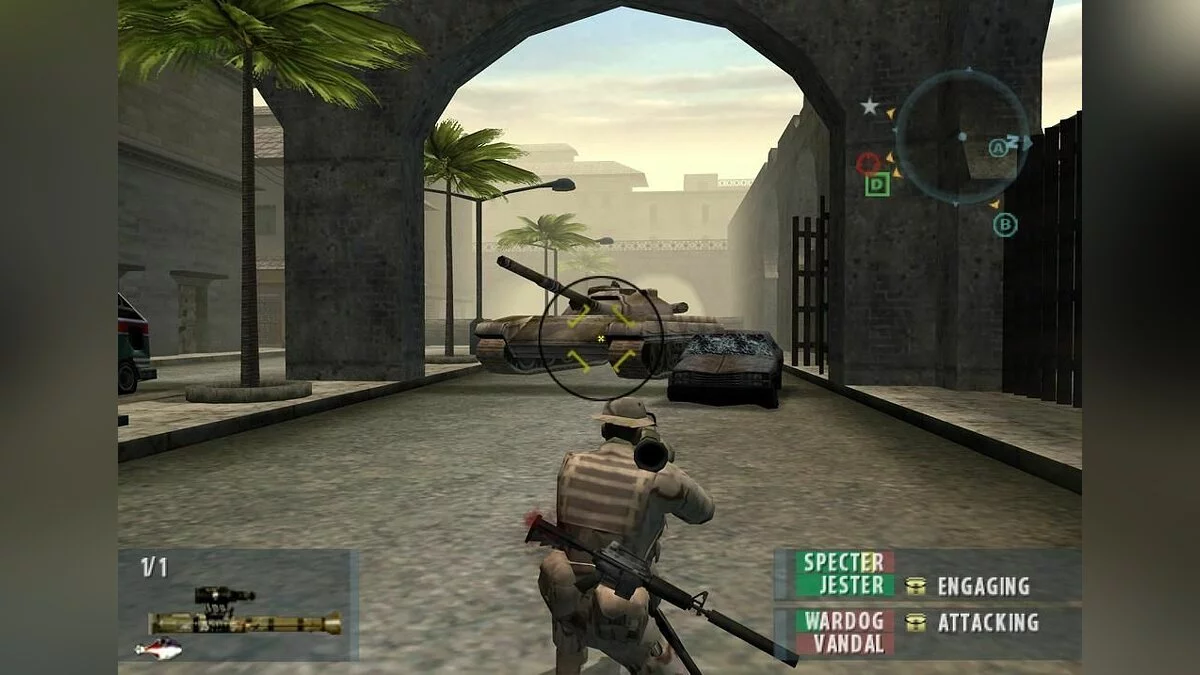
Gameplay That Respected Your Brain (And Punished Your Hubris)
SOCOM 2’s ruleset reads simple today and still feels brutal in practice: round-based, no respawns, small time limits, asymmetric objectives, and tight TTK. You had to value your life, your angle, your utility, and your microphone. Suppression (elimination) was the warmup; Demolition and Extraction were where teamwork shined, forcing teams to set tempo, trade lives for map control, and manage the clock like adults. There was no aim assist valorizing hip-firing heroics; recoil and sightlines demanded stance discipline and burst control. The third-person camera gave excellent spatial awareness but punished lazy peeking. Sound design—footsteps, reloads, distant chatter—was information, not ambience. Flashbangs weren’t fireworks; they were permission slips to breach. Even loadouts telegraphed intent: suppressed carbines and SMGs for creeping lanes, battle rifles for anchoring, bolt-action rifles for overwatch. It’s easy to call SOCOM 2 “hardcore,” but that undersells the elegance. It was readable and fair.

Headsets, Proximity, And The Art Of Saying Less
SOCOM 2 is inseparable from its headset culture. Push-to-talk comms with proximity nuance meant information carried social weight. You could bait audio, fake rotates, catch whispered callouts, and feel the electric silence when the last player went dark. Leaders emerged organically. Callout language standardized across regions—upper alley, market, left side stairs—until a community dialect formed. The game taught you to be concise: “Two cross, bomb down mid, 30 seconds.” It taught you to shut up when your teammate needed footstep info. It taught you to laugh between rounds and lock in when the timer hit. Plenty of shooters have voice; SOCOM 2 built a culture around it.
Map Design: The Memory Palace Of A Generation
Ask any SOCOM 2 veteran and they can still sketch lanes in the air with their hands. Urban maps with layered rooftops and long streets funneled fights into predictable but never stale engagements. Fan-favorite SOCOM 1 remasters returned with more polish, while SOCOM 2’s own creations found the sweet spot between flanking options and defensible anchors. What defined the map set wasn’t just balance—it was personality. Day/night variants reframed angles. Weather shifted audio reliability and visibility, subtly changing the tempo. Mid-round rotations mattered; good teams learned the pivot timings and punished indecision. The result was a pool of spaces that rewarded memory without suffocating improvisation. You could be a Crossroads sage and still get surprised by a perfectly timed pinch through a forgotten alley.
While the multiplayer turned SOCOM 2 into a lifestyle, its campaign grounded the fantasy with a straight-faced tour of counterterror ops. Missions hopscotched across international flashpoints with objectives that mirrored online priorities: stealth entries, hostage extractions, demolitions, and coordinated breaches with AI teammates you could command by voice. The headset novelty shone here—issuing orders with your mic wasn’t a gimmick, it was the interface. The tone was respectful rather than sensational, shaped by consultation to keep the portrayal of special operations crisp and professional. No, it wasn’t a sprawling character drama, and it didn’t need to be. It was a pressure-tested tutorial for the multiplayer mindset: move with purpose, respect the clock, communicate or fail.
The Clan Night Ritual And Why It Mattered
SOCOM 2 turned Thursday nights into tradition. Clans weren’t just tags; they were calendars, scrims, recruiting, and the soft politics of ladder etiquette. Leaders set map pools, scheduled best-of-X series, enforced rules about explosives and snipers, and curated rosters by attitude as much as aim. Younger players learned leadership and conflict resolution because the game’s social fabric required it. Rivalries became sagas. Tight matches became origin myths retold in lobbies for months. That continuity forged loyalty to the game beyond content drops or battle passes, because the content was, frankly, each other. SOCOM 2 made the community the endgame.
Any breakout online game wrestles with integrity, and SOCOM 2 was no exception. Zipper iterated on exploits, network stability, and weapon tuning with a seriousness that was ahead of its time on console. Was it perfect? Of course not—high-pop games always spawn bad actors—but the studio’s willingness to keep patching nurtured trust. That “we’re watching, we’re fixing” bond is why players stuck through hiccups and why clans kept their calendars full. When a patch landed and a weapon’s recoil pattern changed, the forums lit up and scrim metas flipped overnight. It was the primordial soup of modern live balancing, and it taught a generation how to adapt without demanding reworks every other Tuesday.

Sales, Buzz, And The Moment It Became More Than A Game
Commercially, SOCOM 2 did what sequel dreams are made of: it expanded the audience, dominated PS2 online mindshare, and sat high on holiday charts. More telling than any box-copy brag was concurrency—the lobbies were busy at weird hours across time zones, which is the true litmus test of an online title’s health. Retailers pushed headsets because SOCOM 2 justified them. Magazines and early gaming sites gave it awards not just for shooting but for online innovation. It wasn’t merely a hit; it was the conversation.
The follow-ups chased scale. SOCOM 3 widened the battlefields and toy boxes. Combined Assault bundled content and co-op ambitions. The franchise then leapt to PlayStation 3 with new developers in the mix and a market suddenly crowded with twitchier shooters and cinematic campaigns. Hardware changed, expectations changed, the industry’s business models changed—and so did SOCOM’s identity. Some experiments resonated, others fractured the core. Eventually, studio closures and server sunsets wrote an ellipsis where fans wanted a semicolon. And yet, even as official support faded, the community didn’t.
Why SOCOM 2 Is Still The Console Tactics Benchmark
It comes down to four pillars. First, clarity: the rules were tight and legible, so every decision mattered. Second, friction: no respawns and short rounds created stakes that made communication non-negotiable. Third, culture: clans, lobbies, and voice comms turned a product into a place. Fourth, restraint: the game let tactics—not gadgets or gimmicks—do the heavy lifting. Plenty of modern shooters have slicker movement and fancier shaders, but the design spine of SOCOM 2 still feels cleaner than most. It’s the difference between a flashy theme park and a chessboard: one is louder, the other is deeper.

Lessons Modern Shooters Keep Forgetting (And Should Steal Proudly)
Design around voice, not after it. Treat round time as a resource, not a countdown. Make maps with distinct identities that teach themselves through play rather than requiring a degree. Give players reasons to value their life each round without turning matches into camp-fests. Support clans natively—calendars, scrim tools, spectating—because social friction is the glue of longevity. Balance often and transparently, even if the changes are small; trust grows from cadence. Finally, resist feature creep that dilutes the tactical conversation. A single well-tuned flashbang can produce more memorable moments than three seasonal gadgets with lore paragraphs.

The Magic Of “Last Alive”
If you know, you know. The camera shifts to your lone teammate. The lobby goes quiet except for clipped, useful info. The bomb timer ticks. Three enemies remain. They line up a flash, clear a corner, pre-aim the angle, and drop two with a controlled burst. Ten seconds. A fake defuse. Footsteps. The last peek, the last bullet, the last green checkmark. The lobby explodes. It’s the kind of drama you can’t script, and it’s the reason scores of players still talk about SOCOM 2 like a first love. The game engineered space for hero moments that weren’t random—they were earned.
Can You Still Play SOCOM 2 Today?
On original hardware with the disc and the right networking setup, dedicated communities organize play through third-party solutions and LAN tunneling. That route requires a bit of tinkering, but that barrier to entry keeps the culture surprisingly healthy; people who make it through are there to play properly. For collectors, the campaign holds up as a time capsule of tight third-person shooting and stealth, and it’s a great way to understand the cadence before stepping into community nights. If you’re coming from modern tac-shooters, expect to recalibrate. SOCOM 2’s recoil, sightlines, and round pacing reward patience. It won’t flatter you with instant dopamine. It will shake your hand when you earn it.

Final Word: The Benchmark Endures
It’s easy to romanticize the past and dunk on the present. That’s not the point here. SOCOM 2 was lightning in a bottle: right tech, right studio, right audience, right moment. It was also work. Players made it what it became through shared language, clan rituals, and an insistence on playing the objective. If anything, the lesson for 2025 is that audiences will still rally around restraint, clarity, and culture when a game has the courage to ship with them. You can chase the spectacle—or you can build a meeting place. SOCOM 2 built a home.
When people call SOCOM 2 the pinnacle of console tactical shooters, they aren’t saying no game has better graphics or more features. They’re saying few games have felt as perfectly intentioned—every rule pushing you toward communication, every map teaching you the next good habit, every round carrying weight. In a medium that often confuses bigger with better, SOCOM 2 remains the quiet, disciplined answer to a loud question: what if teamwork was the point?