
The Quiet Revolution of Farming Games
When you think of epic gaming experiences, you might imagine sword fights, space battles, or high-stakes heists. But some of the most enduringly popular games are about… carrots. And cows. And watering your digital parsnips before the in-game sun goes down.
Why we love farming games comes down to more than just planting seeds. These quiet, methodical games tap into deep psychological satisfaction. They offer players structure, routine, creativity—and just enough chaos (hello, crop-eating crows) to keep things spicy.
What Actually Is a Farming Game?
At its core, a farming game is about cultivating a piece of land, managing resources, and often building relationships with other characters in the world. The gameplay loop is soothing: plant, water, harvest, sell, repeat.
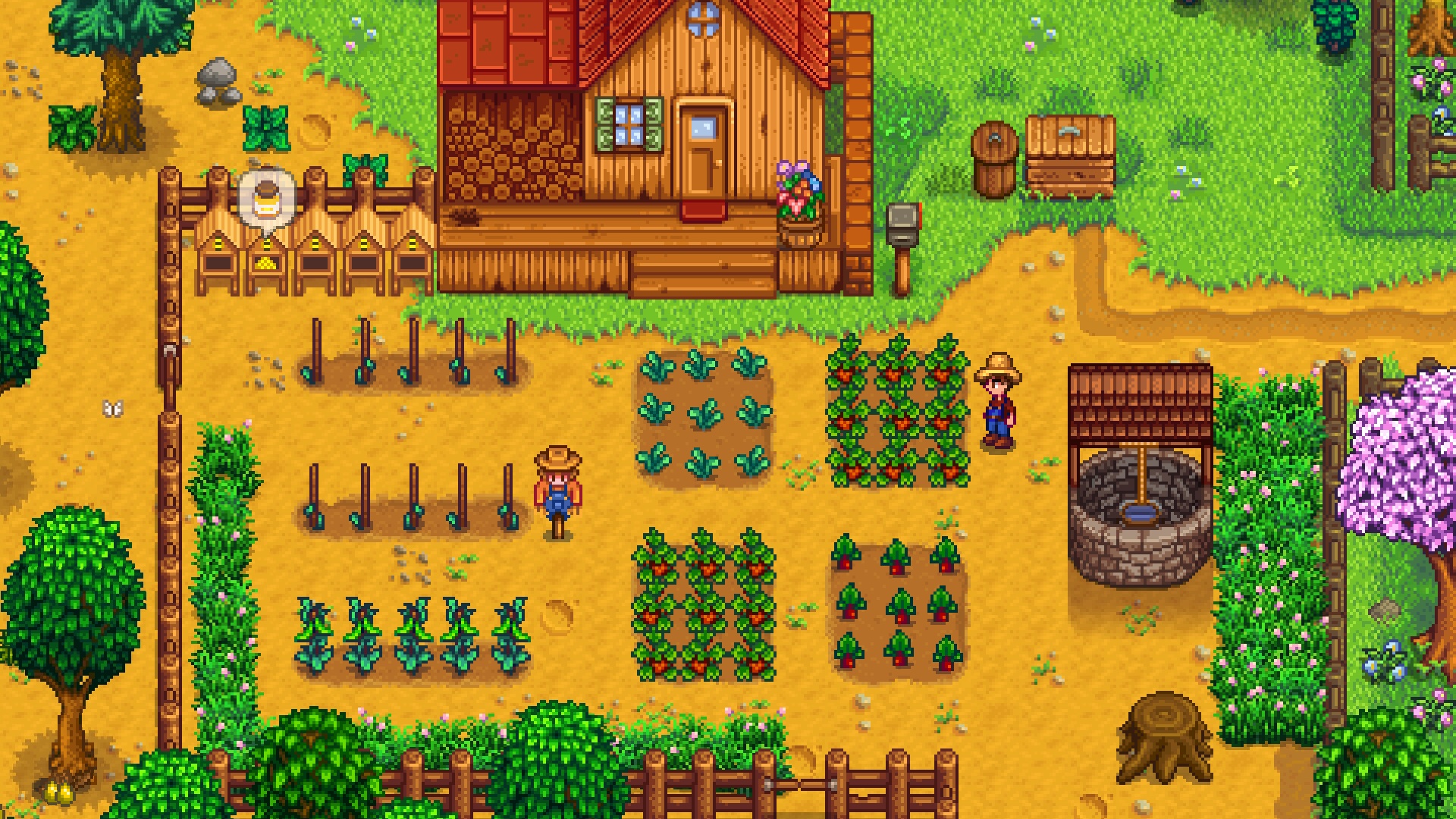
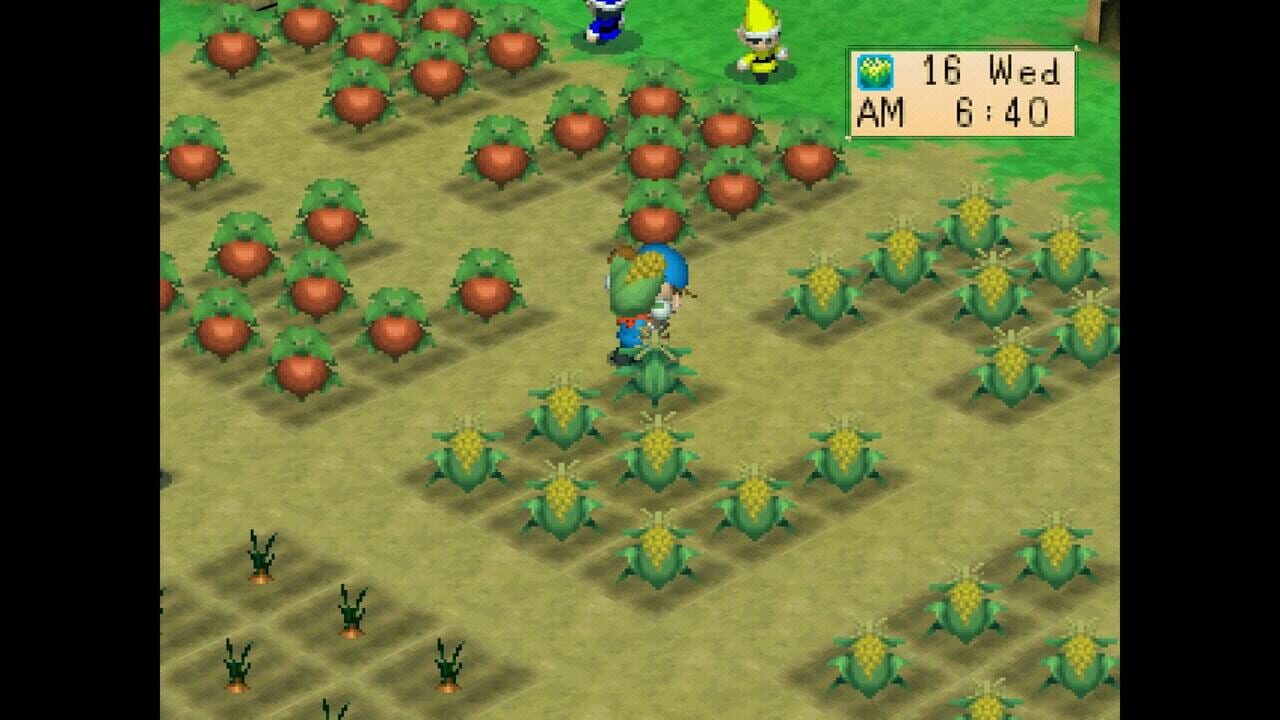
But the genre has evolved dramatically. From the early days of Harvest Moon to the indie juggernaut Stardew Valley and the gentle empire of Animal Crossing, farming games now mix elements of RPGs, life sims, romance, and even dungeon crawling.
You’re not just managing a farm. You’re crafting a life.

A Game That Rewards Every Kind of Player
Farming games don’t punish you for being slow. You can spend a full in-game day petting your chickens, reorganizing your crops, or deciding which of the local NPCs deserves a bouquet of digital flowers. You’re in control of the pace.
This flexibility makes them accessible to players who find fast-paced or high-stress games overwhelming. It’s a rare genre where you can play optimally, lazily, or chaotically—and all of it is valid.
The Deep Psychology of Daily Routines
One of the reasons why we love farming games is their reliance on routines. Humans crave structure, and farming games deliver it in a gentle, rewarding way. Wake up, water plants, check the weather, feed the animals, hit the mines, go to sleep. Repeat.
These games mimic a simplified version of life, where tasks are achievable, days are predictable, and success is guaranteed—as long as you keep trying.
Compare that to real life, where success is messy and rarely guaranteed. Farming games give you the illusion of control—and that’s incredibly comforting.
From Dirt to Drama: Building Emotional Investment
Many farming games include social and narrative layers that make the world feel alive. Characters have routines, birthdays, favorite gifts, and evolving story arcs. You don’t just run a farm—you become part of a community.
In Stardew Valley, players often end up forming emotional attachments to the townspeople, complete with in-game marriages, family life, and the occasional festival or awkward heart event.
It’s part farming, part soap opera, part meditation app. And we are here for all of it.
A Masterclass in Gentle Game Design
Farming games exemplify what’s known in game design as a “low-stakes feedback loop.” Every action you take gives something back: a crop grows, a relationship improves, or your house gets a little nicer.
They also tend to be non-punitive. Miss a harvest? No problem. Forgot to feed your cow? She still loves you. There’s rarely a “Game Over” screen in a farming game—just more time and more chances.
That design ethos lowers the barrier to entry while still creating powerful emotional engagement.
Creativity Within Constraints
While farming games offer structure, they also encourage creativity. How you lay out your fields, design your farm, decorate your home, or choose your crops is up to you.
Some players become layout optimization machines, creating spreadsheets for crop yield. Others design pixel-perfect pumpkin patches or pursue weird goals like filling their barns with only ducks.
The beauty of the genre is that it supports both playstyles equally.
The Perfect Genre for Burnout Culture
In today’s world, where burnout is rampant and productivity is weaponized, farming games offer a quiet rebellion. They let you be productive without pressure. They simulate work, but in a way that’s playful, not draining.
You want to water your virtual crops. You look forward to selling those turnips. This is “work” with joy baked into it.
That’s why so many players turn to farming games for stress relief, escapism, or just a palate cleanser between more intense titles.
Nostalgia, Pixel Art, and the Cozy Game Aesthetic
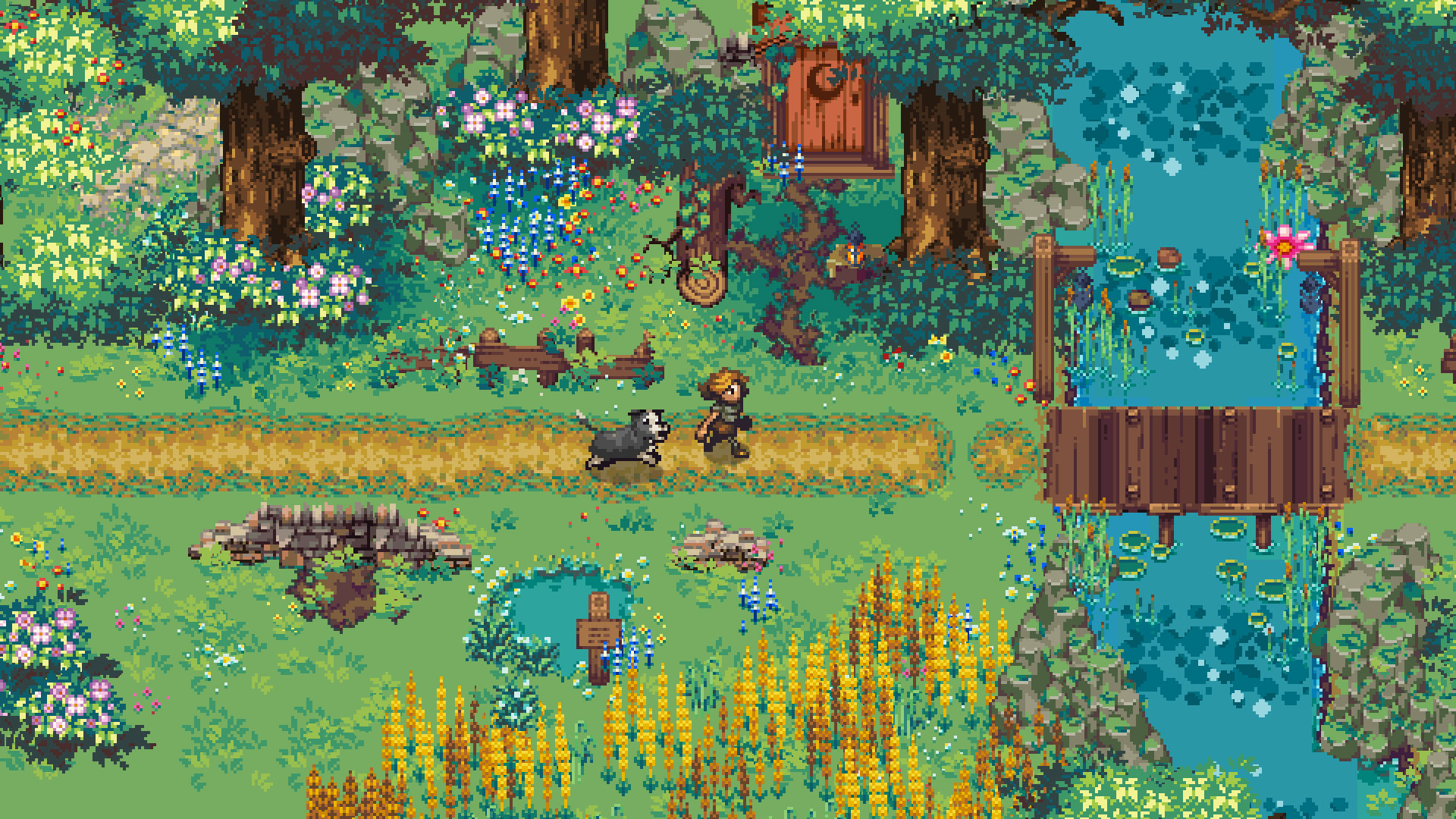
Farming games are often built with retro-style pixel art, soothing soundtracks, and nostalgic nods to simpler times. Even newer 3D games like Fae Farm or My Time at Portia carry that spirit of warmth and whimsy.
The “cozy game” movement owes a huge debt to farming games. And in turn, farming games have only expanded in diversity and style—offering more inclusive characters, customization, and narratives.
Whether you’re farming on a haunted island, in space, or in a magical alternate dimension, there’s a cozy corner of the genre just for you.
Where Farming Games Are Growing Next
The genre is far from stagnant. Developers are blending farming mechanics with other genres—think roguelikes, RPGs, even MMOs.
Games like Coral Island, Roots of Pacha, and Moonstone Island are bringing fresh ideas to the table while keeping the soil rich with tradition. Farming games are also becoming more story-driven, more inclusive, and more experimental.
And with indie developers constantly pushing boundaries, the future of digital agriculture looks extremely bright.
Conclusion: It’s Not Just About the Crops
So, why do we love farming games? Because they give us more than carrots and cows. They offer comfort, structure, creativity, and a deep sense of personal progress. They let us build something beautiful at our own pace.
And perhaps most importantly, they remind us that slowing down can be just as satisfying as speeding up.
At LevelUp Gazette, we believe farming games are a quiet revolution—proof that you don’t need guns or dragons to create a deeply meaningful experience. Sometimes, all you need is a watering can and a dream.
So go ahead. Plant those digital parsnips. Pet that pixelated goat. And remember: your farm, your rules.